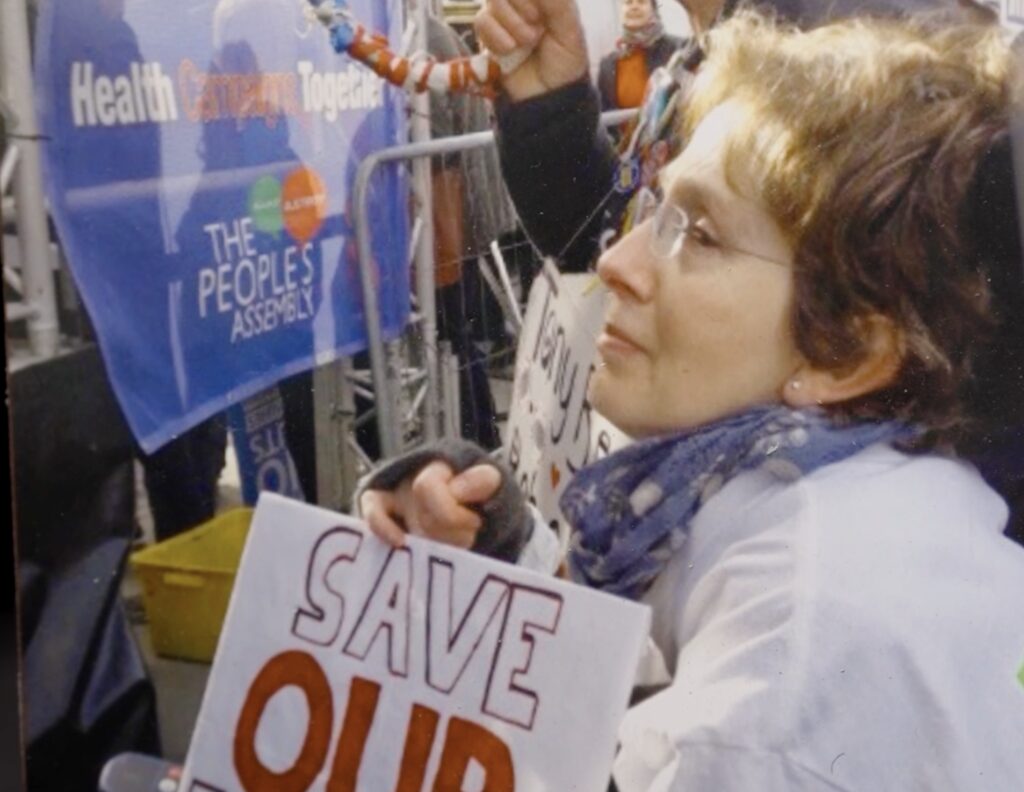
We weren’t funded. We didn’t have big resources. Just Disabled people who knew our rights and refused to give up. These are the practical tactics we used—and you can use them too.
The Truth About Grassroots Organising
HAFCAC was never funded by grants or big donors. We didn’t have professional campaigners or PR firms. What we had was what every community has: Disabled people who were directly affected by unjust policies, who understood our rights, and who refused to accept discrimination.
Over 15 years, we learned what works—and what doesn’t. We made mistakes. We celebrated small victories. We lost court cases but won policy changes. We built power slowly, deliberately, and together.
This is how we did it. This is how you can do it too.
Five Core Principles That Guided Everything
Before we dive into tactics, understand these fundamental truths that shaped our entire approach.
1. Nothing About Us Without Us
Every decision, every strategy, every campaign message came from Disabled people ourselves. We never let non-disabled “experts” speak for us. This wasn’t just principle—it was power.
“HAFCAC was led by and for Disabled people. That’s why we won trust in our community and couldn’t be dismissed by the council.”
2. Build Power Before You Need It
We didn’t wait until a crisis to organise. We encouraged Disabled people to register to vote, built relationships with councillors, connected with other organisations, and showed up consistently.
3. Make It Personal AND Political
We shared real stories of how policies affected real people’s lives. We always connected personal impact to systemic injustice and demanded structural change.
“Kevin’s testimony to Parliament about the ‘demeaning’ charging process showed both personal harm and policy failure. That’s powerful.”
4. Celebrate Small Wins
Fifteen years is a long time. We celebrated every victory—a councillor listening, a supportive media article, a successful voter registration drive. This kept energy high and reminded us progress was happening.
“Our pub quizzes weren’t just fundraising—they were celebrations that brought Disabled and non-disabled people together and kept spirits up.”
5. Be Ready to Play the Long Game
We started in 2006. We won on home care charging in 2015. Nine years. We didn’t give up when we lost our legal appeal in 2009. We adapted, persisted, and eventually won. Real change takes time.
“We lost the legal case but won the war. That loss showed the council we were serious, and it energised our community.”
The Strategies: What We Actually Did
Here are the concrete tactics we used, why they worked, and how you can adapt them for your community.

Strategy 1: Building Community Power From the Ground Up
THE CHALLENGE: How do you build a movement when you have no money and limited energy?
We started where people already were—in our community. We didn’t wait for funding or permission. We organised pub quizzes at the local Goldhawk pub in Shepherds Bush, getting donations from local shops and residents.
This did four things:
- Raised small amounts of money for campaign materials
- Brought Disabled and non-disabled people together informally
- Made HAFCAC visible and trusted in the neighbourhood
- Showed we were organised, serious, and here to stay
Why This Worked:
Community organising isn’t about grand gestures—it’s about consistent presence. Debbie Domb ran these events, kept a “keen eye on the cash box,” and persuaded local businesses to support us. People saw we were responsible, trustworthy, and fighting for something that mattered.
How You Can Use This:
- Start with what you can do: coffee mornings, online meet-ups, community stalls
- Make it social, not just serious—people need joy in activism
- Document everything with photos—show you’re real and growing
- Thank supporters publicly—build goodwill
- Use small events to identify potential members and leaders
“We brought Disabled people and non-disabled people together. Monies raised were used to campaign.”
— HAFCAC History

Strategy 2: Making Politicians Need Your Vote
THE CHALLENGE: How do you make councillors listen when they can ignore you?
We made ourselves electorally relevant. We organised voter registration sessions at Dawes Road Hub. We went door-to-door. We worked with other campaign groups during elections. We made it clear: Disabled people vote, and we vote based on who supports our rights.
Why This Worked:
Politicians respond to voters. When we demonstrated we could mobilise Disabled voters and our allies, we became a constituency that couldn’t be dismissed. During the 2019 General Election, we held registration sessions and went out with H&F Save Our NHS campaign group. We were visible, organised, and voting.
How You Can Use This:
- Register every Disabled person you can—it’s the foundation
- Partner with other progressive groups to multiply impact
- Show up at candidate forums and ask direct questions
- Make councillors/MPs come to YOU—host Q&As in accessible venues
- Track voting records and make them public
- Thank politicians who support you (and call out those who don’t)
“We’re continuing to work with the council and other campaigning groups to get more Disabled people registered, voting, and engaging in local and national elections.”
— HAFCAC, Our Work

Strategy 3: Taking Them to Court (Even If You Lose)
THE CHALLENGE: The council was going ahead with charging despite our protests. How do you escalate?
In 2009, we worked with the Public Law Project to bring a legal challenge: Domb v London Borough of Hammersmith and Fulham. Debbie Domb and two other Disabled residents were the named claimants. We lost the appeal—but the campaign gained momentum.
Why “Losing” Was Actually Winning:
The legal case sent a clear message: HAFCAC was serious. We weren’t going away. The publicity brought more people to our cause. The Lord Justice of Appeal’s scathing comment—that the council “sacrifices free home care on the altar of a Council Tax reduction”—became a powerful campaign tool. When Labour took control in 2014, they knew we’d already proven we’d fight.
How You Can Use This:
- Legal action is a TACTIC, not the whole strategy
- Connect with legal aid organisations and law centres
- Good test cases make issues visible and create precedent
- Even “losing” cases can shift public opinion and political will
- Use legal language in your campaigns—rights, obligations, duties
- Document everything legally (FOI requests, formal complaints)
“Though HAFCAC lost the legal case narrowly on appeal, it was still a victory as it showed that Disabled people would speak up. It led directly to the next council administration removing charging altogether.”
— From Disability Justice Project launch

Strategy 4: Showing Up Where Decisions Are Made
THE CHALLENGE: How do you influence policy when you’re not in the room?
Get in the room. We lobbied council meetings—not just once, but repeatedly. We turned up at budget meetings, committee hearings, public forums. We also protested: Debbie was almost crushed by police at a peaceful ILF demonstration outside the DWP. We combined insider lobbying with outside pressure.
Why this worked:
Consistency is key. When councillors see you at every meeting, they know you’re informed, committed, and watching. We became impossible to ignore. We also built relationships—when sympathetic councillors took control in 2014, they already knew and trusted us.
How you can use this:
- Learn your council’s meeting schedule—show up regularly
- Submit written questions and Freedom of Information requests
- Speak during public comment periods (prepare 2-minute speeches)
- Bring supporters to fill the gallery—visual presence matters
- Combine insider tactics (lobbying) with outsider tactics (protests)
- Build relationships with sympathetic councillors/staffers
- Protest strategically and safely—but don’t be afraid to protest
“From the early days Debbie was involved in lobbying Council meetings, campaigning on the streets for Disabled residents to register and use their vote.”
— Debbie Domb Tribute

Strategy 5: Stronger Together—Building the DDPO Network
THE CHALLENGE: How do you amplify your voice beyond your own organisation?
We didn’t work alone. HAFCAC built strong relationships with other local Disabled People’s Organisations: Action on Disability, Safety Net People First, HeadsUp. Together, we organised International Day of Disabled People celebrations, coordinated on policy issues, and presented a united front.
Why This Worked:
A network of DDPOs is more powerful than any single organisation. When we all spoke together, the council had to listen. We also connected nationally (Inclusion London) and internationally (ENIL Freedom Drive 2019 in Brussels). This gave us resources, strategies, and solidarity.
How You Can Use This:
- Map all disability organisations in your area
- Organise regular network meetings—start quarterly
- Find shared goals even if you have different focuses
- Co-organise events like IDDP and UK Disability History Month to build community visibility
- Connect with regional and national DDPO networks
- Learn from campaigns in other areas—what worked for them?
- Present a united front on key issues
“We’re working with the borough’s other DDPOs to build a strong collective voice for local Disabled people.”
— HAFCAC, Our Work

Strategy 6: Co-Production as Revolutionary Practice
THE CHALLENGE: How do you move from constantly fighting the council to actually shaping policy?
After years of campaigning, we had a choice: keep protesting from outside, or demand a seat at the table. We demanded co-production—not consultation where they ask our opinion and ignore it, but actual shared decision-making power. In 2018, H&F became the first council in the UK to have a cross-council commitment to co-production.
Why This Worked:
Co-production isn’t selling out—it’s consolidating power you’ve built. Because we’d proven we could organise, mobilise voters, bring legal challenges, and sustain pressure, the council took us seriously. Tara Flood chaired the Disabled People’s Commission. We went from adversaries to partners—but partners with real power, not token representation.
What Co-Production Actually Means:
“Co-production means local Disabled residents are working together with decision makers to actively identify, design, and evaluate policy decisions and service delivery that affect our lives and remove the barriers we face. Disabled people are equal to the other decision makers involved.”
— Disabled People’s Commission Report
How You Can Use This:
- Learn the language: co-production, co-design, co-delivery
- Demand more than “consultation”—demand shared decision-making
- Propose a Disabled People’s Commission or Advisory Board
- Insist on payment for Disabled people’s time and expertise
- Hold decision-makers accountable to co-production promises
- Document when they ignore co-production—call it out publicly
- Connect to national co-production networks for support
Learn more:
Visit H&F Council’s co-production pages to see how it works in practice.
What We Learned the Hard Way
Not everything worked.
Here are the mistakes we made and what we’d do differently.
Lesson 1: Pace Yourself—This Is a Marathon
THE MISTAKE: Early on, we burned out activists by trying to do everything at once. Some people gave so much energy they couldn’t sustain it.
WHAT WE LEARNED: Build sustainability in from the start. Share leadership. Rotate tasks. Celebrate rest as much as action. When Covid hit, we didn’t have enough capacity to continue—that’s why HAFCAC closed in 2021.
Lesson 2: Document Everything
THE MISTAKE: We didn’t always keep good records of early meetings and decisions. This made it harder to tell our story later.
WHAT WE LEARNED: Assign someone to take notes, save emails, photograph events, archive press coverage. Your campaign’s history is valuable—preserve it from day one.
Lesson 3: Don’t Wait for Perfect Conditions
THE MISTAKE: Sometimes we delayed action waiting for more members, more money, or the “right moment.”
WHAT WE LEARNED: Start where you are with what you have. Six people organising a petition is better than waiting until you have 50. Imperfect action beats perfect planning every time.
Lesson 4: Build Capacity Continuously
THE MISTAKE: We relied too heavily on founding members. When key people were ill or unavailable, campaigns stalled.
WHAT WE LEARNED: Always identify and support new activists. In 2019, we hired a Development Worker to build the next wave of campaigners—we should have done this sooner.

Learning from Debbie
The Practical Organiser: What Debbie Taught Us
Debbie Domb was “the practical person” running HAFCAC’s campaigns. While others focused on policy or public speaking, Debbie made sure things actually happened.
She organised the pub quizzes, persuaded local shops to donate, kept the finances straight, and made sure everyone felt welcome.
Debbie’s Organising Principles:
- Make it practical: Don’t just talk—do things people can see and touch
- Build relationships: Debbie knew the local shopkeepers, pub staff, community members
- Track the details: She “kept a keen eye on the cash box”—accountability matters
- Include everyone: Pub quizzes brought Disabled and non-disabled people together
- Be the reliable one: Show up consistently, follow through on commitments
“Debbie gave her all to whatever needed to be done, giving much of her precious energy to get behind the campaign.”
Every campaign needs someone like Debbie—the person who makes sure the practical work gets done. That person can be you.